
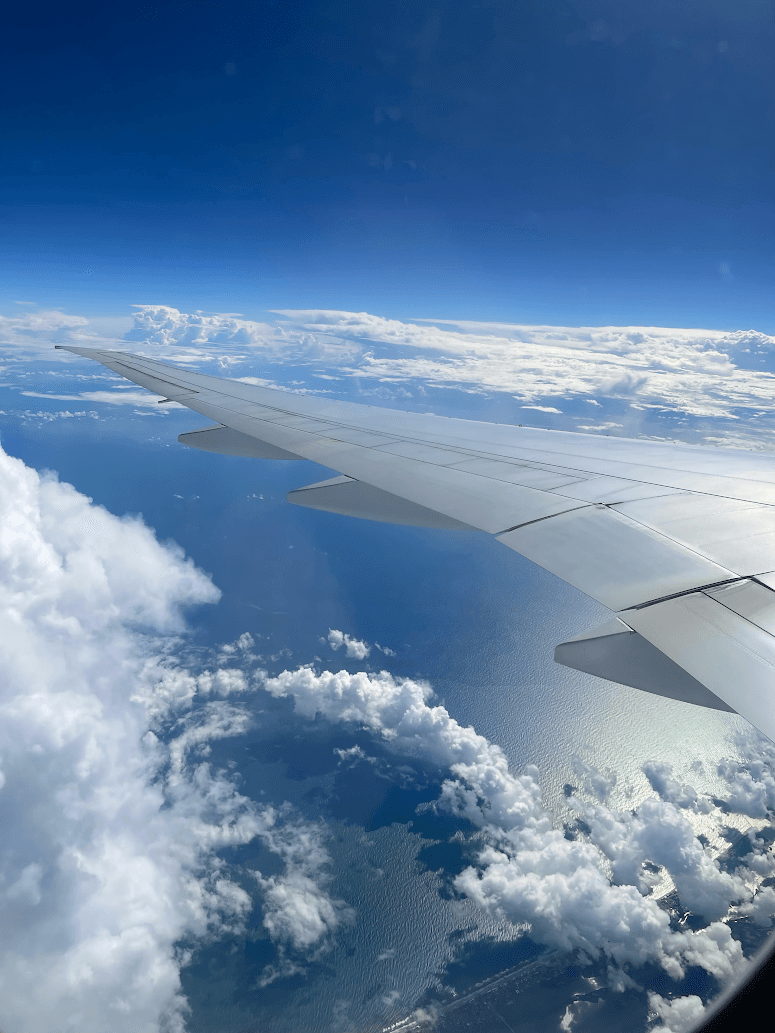
Teamwork at 35,000 Feet
In a tight cabin environment, teamwork isn't motivational—it's operational. You win through trust, clear roles, and clean handoffs.
At altitude, teamwork is a constraint, not a slogan. Space is limited, time windows are real, and each person's work affects everyone else's flow. The only way it feels smooth is if the team shares an internal map of priorities.
The strongest teams do the basics unusually well: quick check-ins, clear ownership, and respectful directness. You don't need long conversations—you need alignment. Who is covering which section, what's the pace, where are the pinch points, what changes if turbulence hits.
I'm big on clean handoffs. Whether it's relaying a passenger need, tracking an inventory item, or flagging a developing situation, handoffs should be short, specific, and confirmed. That habit prevents rework and reduces missed details.
Teamwork at 35,000 feet is also about tone. When one person stays composed, the whole system steadies. That's the teammate I try to be: calm, clear, and useful.